
 Admin
Admin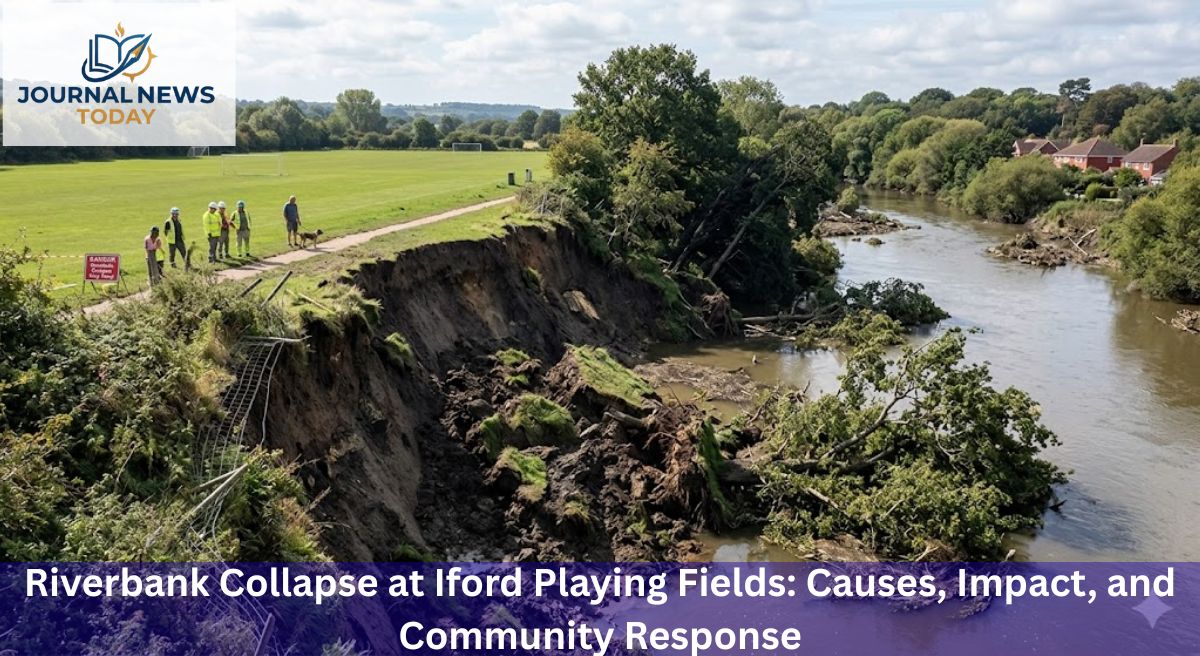
Natural landscapes are constantly changing, shaped by water, weather, and human activity. Rivers in particular are dynamic systems that gradually reshape the land around them through erosion and sediment movement. In some cases, however, these processes can accelerate and lead to sudden structural failures along river edges, creating serious environmental and public safety concerns. One such situation has drawn attention due to a Riverbank Collapse at Iford Playing Fields, raising awareness about the vulnerability of riverside recreational spaces and the importance of long-term land management.
Iford Playing Fields is known as a peaceful community space where residents often gather for walking, sports, and outdoor leisure activities. However, when sections of the riverbank begin to weaken or give way, the safety of these public areas can be significantly affected. The collapse has sparked concern among local users and authorities alike, as it highlights the delicate balance between natural river processes and human use of nearby land. Understanding how such incidents occur, what damage they cause, and how they can be prevented is essential for protecting both the environment and the communities that rely on it.
This article explores the causes behind riverbank instability, the environmental and social impact of such events, the response from local stakeholders, and the long-term strategies needed to reduce future risks in areas like Iford Playing Fields.
Understanding Riverbank Instability in Natural Environments
Riverbanks are naturally shaped by the continuous flow of water, which gradually wears away soil and sediment over time. This process, known as erosion, is a normal and essential part of river dynamics. However, when erosion becomes excessive or is combined with external pressures such as heavy rainfall, flooding, or human interference, it can lead to structural failure of the bank itself. In the case of the riverbank collapse at Iford Playing Fields, these natural forces likely played a significant role in weakening the soil structure along the river edge.
One of the main factors contributing to instability is the constant saturation of soil due to prolonged rainfall or rising water levels. When soil becomes overly saturated, it loses its cohesion and becomes more prone to sliding or collapsing into the river. Additionally, fast-moving water can undercut the base of the riverbank, removing essential support and causing upper layers of soil to cave in. Over time, vegetation loss can also worsen the situation, as plant roots typically help bind soil together and prevent erosion.
Human activity may also indirectly contribute to such instability. Foot traffic near river edges, construction work, or alterations in natural drainage patterns can increase pressure on already vulnerable areas. When combined, these factors create a situation where even a relatively small disturbance can trigger a significant collapse.
Environmental Impact of Riverbank Failure
When a riverbank collapses, the effects extend beyond the immediate physical damage. One of the most noticeable consequences is the sudden change in river shape and flow. Large amounts of soil and debris entering the water can alter the current, potentially affecting aquatic habitats and water quality. Sediment overload can reduce oxygen levels in the water, which may harm fish and other aquatic organisms that depend on stable conditions to survive.
In the case of the riverbank collapse at Iford Playing Fields, the surrounding ecosystem may experience disruption as habitats along the river edge are destroyed. Plants that once stabilized the soil may be lost, and small wildlife that relied on the vegetation for shelter or food may be displaced. Over time, this can lead to a reduction in biodiversity in the affected area.
Another important environmental concern is the increased risk of further erosion. Once a section of the riverbank collapses, it often leaves behind exposed soil that is even more vulnerable to future water flow. This can create a chain reaction where additional sections of the riverbank become unstable. Without intervention, the affected area may continue to degrade, expanding the environmental impact beyond the initial site of collapse.
Safety Concerns for the Local Community
Public safety is one of the most immediate concerns following any riverbank failure. Areas like Iford Playing Fields are often used by families, walkers, joggers, and sports groups, making them important community spaces. When part of the riverbank becomes unstable, it poses a direct risk to anyone who may unknowingly walk near the weakened edge.
The riverbank collapse at Iford Playing Fields has likely led to precautionary measures such as temporary fencing or restricted access to certain areas. These actions are typically taken to prevent accidents such as slips, falls, or sudden ground collapse. In some cases, signage is also installed to warn visitors of the danger and redirect foot traffic to safer zones.
Beyond immediate physical risks, there is also a psychological impact on the community. Residents who regularly use the space may feel uncertain or concerned about the long-term safety of the area. This can reduce recreational use of the fields and affect the overall enjoyment of the local environment. Restoring public confidence often requires visible repair efforts and clear communication from authorities regarding safety improvements.
Response from Authorities and Management Efforts
When incidents like a riverbank collapse occur, local authorities and environmental agencies typically conduct assessments to determine the severity of the damage and the risk of further erosion. These evaluations help guide emergency responses and long-term planning. In many cases, engineers and environmental specialists are brought in to stabilize the affected area and prevent additional collapse.
For situations similar to the riverbank collapse at Iford Playing Fields, immediate actions may include reinforcing weakened sections of the bank using natural materials such as rocks, timber, or vegetation. These methods help absorb water flow and reduce further erosion. In more severe cases, structural engineering solutions such as retaining walls or bank reshaping may be required.
Authorities may also review surrounding drainage systems to ensure that excess water is being managed effectively. Poor drainage can contribute significantly to soil saturation, increasing the likelihood of future collapses. By addressing both the immediate damage and underlying causes, local management teams aim to restore stability while reducing long-term risk.
Long-Term Prevention and River Management Strategies
Preventing future riverbank failures requires a combination of environmental planning, engineering solutions, and community awareness. One of the most effective long-term strategies is the use of natural reinforcement techniques. Planting deep-rooted vegetation along riverbanks helps bind soil together and creates a natural barrier against erosion. This method is not only environmentally friendly but also sustainable over time.
Regular monitoring of river conditions is also essential. By tracking changes in water levels, soil movement, and vegetation health, authorities can identify early warning signs of instability before a collapse occurs. In areas like Iford Playing Fields, such monitoring can play a key role in preventing repeat incidents similar to the riverbank collapse at Iford Playing Fields.
Community involvement is another important factor. Educating local residents about the importance of staying away from fragile river edges and respecting restricted zones can significantly reduce human-related stress on vulnerable areas. When combined with professional management efforts, this creates a stronger overall defense against environmental degradation.
Future Outlook for Iford Playing Fields
Despite the challenges posed by riverbank instability, there is potential for recovery and long-term improvement. With proper restoration work and ongoing maintenance, affected areas can often be stabilized and returned to safe public use. The key lies in balancing natural river behavior with human safety needs, ensuring that recreational spaces remain both enjoyable and secure.
The incident of the riverbank collapse at Iford Playing Fields serves as an important reminder of how dynamic natural environments can be. While rivers bring beauty and ecological value to communities, they also require careful management to prevent damage and hazards. Moving forward, continued investment in sustainable river management practices will be essential to protect both the environment and the people who depend on it.
By combining engineering solutions, ecological restoration, and public awareness, communities can create safer and more resilient riverside spaces. If managed effectively, areas like Iford Playing Fields can continue to serve as valuable green spaces for generations to come while minimizing the risk of future collapses and environmental disruption.


