
 Admin
Admin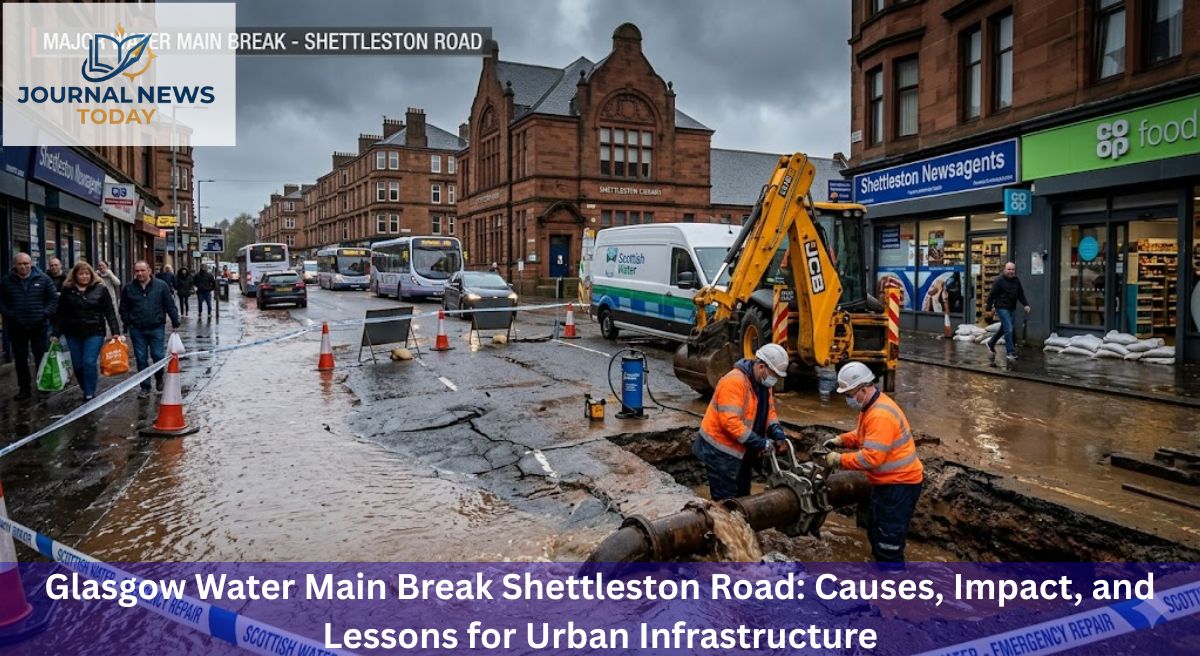
Urban life depends heavily on reliable water systems, yet even in developed cities, unexpected failures can disrupt daily routines and raise serious concerns about infrastructure resilience. The Glasgow water main break Shettleston Road incident stands as a clear example of how a single failure in a city’s underground network can ripple through communities, affecting homes, businesses, and public services. Understanding what happened, why it happened, and what can be learned from it is essential not only for residents but also for city planners and policymakers worldwide.
Overview of the Incident
The water main break on Shettleston Road drew significant attention due to the scale of disruption it caused in Glasgow. Water mains are critical pipelines that transport clean water from treatment plants to residential and commercial areas. When one of these mains bursts, the consequences can be immediate and highly visible.
In this case, residents reported sudden drops in water pressure, flooding on nearby streets, and interruptions to normal daily activities. Emergency crews were quickly deployed to manage the situation, but the damage had already begun to affect traffic flow and property conditions in the surrounding area. Such incidents often expose vulnerabilities in aging infrastructure and highlight the importance of timely maintenance.
What Causes a Water Main Break?
Water main breaks are rarely caused by a single factor. Instead, they typically result from a combination of environmental, structural, and operational issues. In older cities like Glasgow, many water pipes were installed decades ago, making them more susceptible to wear and tear.
One of the primary causes is aging infrastructure. Over time, pipes made of materials like cast iron can weaken due to corrosion and repeated pressure changes. External factors such as soil movement, temperature fluctuations, and nearby construction work can also place stress on underground pipes. In colder climates, freezing and thawing cycles are especially damaging, causing pipes to expand and contract until they eventually fail.
Another contributing factor is increased demand. As urban populations grow, water systems must handle higher volumes, sometimes exceeding the capacity they were originally designed for. This added pressure can accelerate deterioration and increase the likelihood of sudden breaks.
Immediate Impact on the Community
The Glasgow water main break Shettleston Road incident had a direct and noticeable impact on the local community. Flooded streets made travel difficult, forcing temporary road closures and diversions. Public transport routes were affected, leading to delays and inconvenience for commuters.
For residents, the situation was equally challenging. Many households experienced low water pressure or complete outages, making basic tasks like cooking, cleaning, and bathing difficult. Businesses in the area also suffered, particularly those that rely heavily on water, such as restaurants and cafes.
In some cases, water entering homes and properties caused damage to flooring, walls, and personal belongings. Emergency services had to prioritize not only repairing the main break but also assisting those affected by flooding.
Response and Repair Efforts
Local authorities and water service providers responded quickly to the situation, demonstrating the importance of having emergency protocols in place. Repair crews worked to locate the exact point of failure, which is often more complex than it sounds due to the underground nature of water mains.
Once identified, the damaged section of pipe was isolated to prevent further water loss. Crews then began excavation work, which involves digging into the road to access the broken pipe. This process can be time-consuming and disruptive, but it is necessary to ensure a proper repair.
Temporary measures were also implemented to restore water supply to affected areas. Tankers and alternative supply routes are commonly used during such incidents to minimize inconvenience. Communication with residents played a crucial role, as updates helped people plan around the disruption.
Long-Term Consequences
While the immediate effects of a water main break are often visible, the long-term consequences can be just as significant. Infrastructure repairs can be costly, requiring not only the replacement of damaged pipes but also the restoration of roads and surrounding areas.
There is also the question of trust. Residents expect reliable public services, and repeated incidents can lead to concerns about the overall condition of the city’s infrastructure. For local authorities, this creates pressure to invest in upgrades and preventive measures.
Environmental impact is another consideration. Large volumes of treated water can be lost during a break, representing both a waste of resources and a potential strain on supply systems. In some cases, flooding can also carry debris and contaminants into nearby drainage systems.
The Role of Preventive Maintenance
One of the key lessons from the Glasgow water main break Shettleston Road event is the importance of preventive maintenance. Regular inspections and monitoring can help identify weak points in the system before they fail.
Modern technology offers several tools for this purpose. Sensors can detect changes in pressure and flow, providing early warning signs of potential problems. Acoustic monitoring systems can even pick up the sound of small leaks, allowing for targeted repairs before a full break occurs.
Replacing aging pipes with more durable materials is another essential step. While this requires significant investment, it can reduce the frequency of failures and improve the overall reliability of the water supply network.
Urban Planning and Infrastructure Investment
The incident also highlights the need for strategic urban planning. As cities grow and evolve, infrastructure must keep pace with changing demands. This includes not only expanding capacity but also ensuring that existing systems are maintained and upgraded.
Investment in infrastructure is often a long-term commitment, but it is crucial for preventing disruptions like water main breaks. Governments and local authorities must balance immediate needs with future planning, allocating resources in a way that supports sustainable development.
Public awareness is another important aspect. When residents understand the challenges involved in maintaining water systems, they are more likely to support necessary upgrades and cooperate during emergency situations.
Lessons for Other Cities
Although the Glasgow water main break Shettleston Road incident occurred in a specific location, its implications are universal. Cities around the world face similar challenges, particularly those with aging infrastructure.
One key takeaway is the importance of proactive management. Waiting for failures to occur is both costly and disruptive. Instead, regular maintenance, data-driven monitoring, and timely upgrades can significantly reduce risks.
Another lesson is the value of effective communication. Keeping the public informed during an incident helps manage expectations and reduces frustration. Clear updates about repair timelines and alternative arrangements can make a difficult situation more manageable.
Finally, collaboration between different agencies is essential. Water authorities, local governments, emergency services, and utility companies must work together to ensure a coordinated response.
Conclusion
The Glasgow water main break Shettleston Road incident serves as a powerful reminder of how essential infrastructure is to everyday life. What might seem like a hidden system beneath the streets plays a vital role in keeping cities functioning smoothly.
From the immediate disruption to the broader lessons about maintenance and planning, this event underscores the need for continuous investment in infrastructure. By learning from such incidents, cities can build more resilient systems that are better equipped to handle the challenges of the future.
Ensuring a reliable water supply is not just a technical issue; it is a fundamental aspect of urban living. With the right strategies and commitment, the risks associated with water main breaks can be minimized, creating safer and more dependable communities for everyone.


