
 Admin
Admin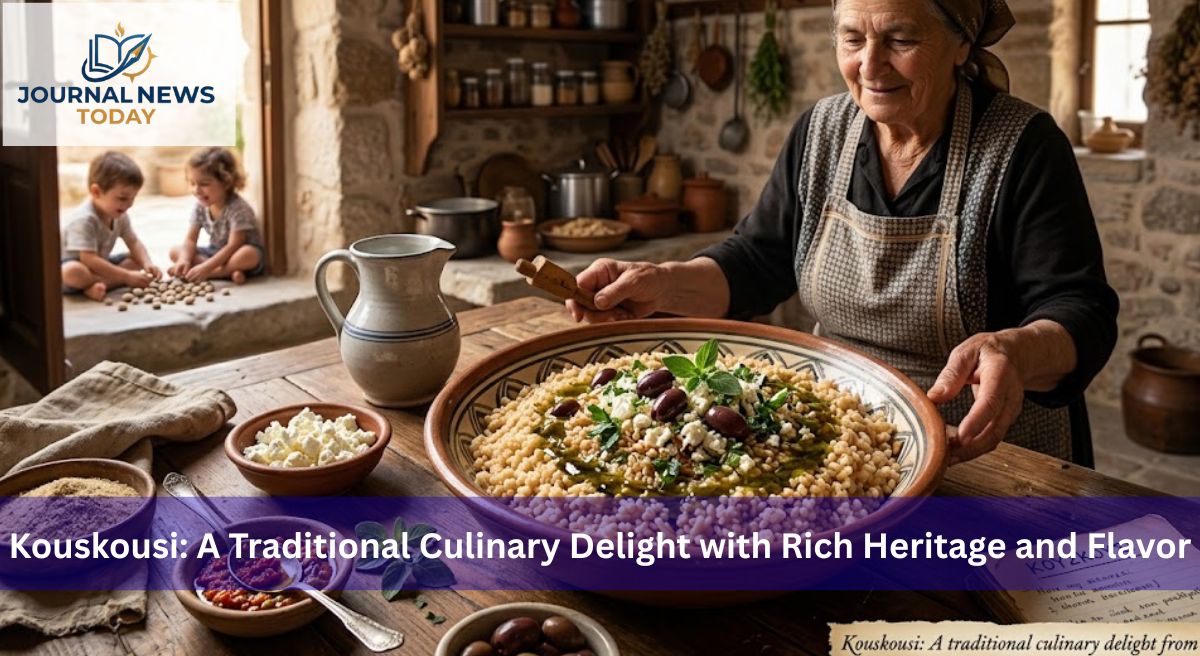
Kouskousi is a traditional dish that carries deep cultural roots and a comforting culinary identity that has been appreciated across generations. Known for its simple yet satisfying nature, kouskousi represents more than just food—it reflects heritage, family traditions, and the timeless art of preparing meals from basic ingredients that bring people together. While the name may sound unique, the essence of kouskousi lies in its simplicity and versatility, making it a beloved dish in many households where traditional cooking is still valued.
In modern times, kouskousi has gained attention among food enthusiasts who appreciate authentic, rustic recipes that are both nutritious and flavorful. It is often associated with slow cooking methods, natural ingredients, and a warm homemade feel that distinguishes it from heavily processed or fast-food alternatives.
Origins and Historical Background
The origins of kouskousi are deeply tied to traditional culinary practices found in Mediterranean and North African-inspired cuisines, where grain-based dishes have long been a dietary staple. Historically, communities relied on simple grains, vegetables, and spices to create meals that were both filling and affordable. Kouskousi evolved as part of this tradition, shaped by the availability of local ingredients and the need for nourishing food that could be prepared in large quantities for families.
Over time, kouskousi became more than just sustenance. It developed into a cultural symbol often prepared during gatherings, celebrations, and family occasions. The dish reflects the values of hospitality and sharing, which are central to many traditional food cultures.
Ingredients Used in Kouskousi
One of the most appealing aspects of kouskousi is its simplicity. The ingredients are usually basic, easily accessible, and naturally wholesome. At its core, kouskousi is made using fine grains or semolina-like components, combined with water or broth to achieve a soft, fluffy texture. Depending on regional or family variations, additional ingredients may be included to enhance flavor and nutrition.
Some variations may incorporate legumes like chickpeas or lentils for added protein. Spices play an essential role as well, with mild seasoning blends that enhance the natural taste without overpowering the dish. Olive oil is also commonly used to provide a smooth texture and a subtle depth of flavor.
The beauty of kouskousi lies in its adaptability. It can be made vegetarian or enriched with meat, depending on preference and availability. This flexibility is one of the reasons it continues to remain relevant across different culinary cultures.
Preparation Method and Cooking Style
The preparation of kouskousi is a process that emphasizes patience and attention to detail. Traditionally, the grains are steamed rather than boiled, allowing them to maintain a light and fluffy texture. This method ensures that each grain remains separate, creating a soft and airy consistency that is both satisfying and easy to digest.
Vegetables and other ingredients are typically cooked separately in a seasoned broth, allowing their flavors to develop fully before being combined with the prepared grains. The final step involves gently mixing everything together so that the grains absorb the aromatic flavors of the stew.
Cooking kouskousi is often considered a calming and mindful process. It does not rely on fast techniques but instead encourages slow preparation, making it ideal for home cooking and family gatherings. The result is a dish that feels warm, nourishing, and deeply satisfying.
Variations of Kouskousi Across Regions
Like many traditional dishes, kouskousi has evolved into several regional variations, each reflecting local tastes and available ingredients. In some areas, it is prepared with a richer spice profile, incorporating cinnamon, cumin, or coriander to create a more aromatic experience. In others, the dish is kept mild and simple, focusing on the natural flavor of grains and vegetables.
Some versions include meat such as chicken or lamb, which is slow-cooked until tender and then mixed into the dish. Other variations remain entirely plant-based, making kouskousi suitable for vegetarian or vegan diets. Sweet versions also exist in certain culinary traditions, where the grains are lightly sweetened and combined with dried fruits or nuts for a dessert-style preparation.
Nutritional Value and Health Benefits
Kouskousi is widely appreciated not only for its taste but also for its nutritional value. It is generally considered a balanced meal that provides carbohydrates, fiber, vitamins, and minerals depending on the ingredients used. The grains offer a good source of energy, making it a suitable dish for both active individuals and those seeking a light yet fulfilling meal.
When prepared with vegetables, kouskousi becomes rich in dietary fiber, which supports digestion and overall gut health. The inclusion of legumes or lean proteins further enhances its nutritional profile, making it a complete and well-rounded dish. Additionally, the use of olive oil contributes healthy fats that are beneficial for heart health.
Another advantage of kouskousi is its relatively low processing level. Since it is made from natural ingredients and simple cooking methods, it avoids many of the additives found in modern processed foods. This makes it a wholesome choice for those aiming to maintain a balanced diet.
Cultural Importance and Traditional Value
Beyond its nutritional benefits, kouskousi holds significant cultural importance. It is often prepared during family gatherings, religious celebrations, and special occasions where food plays a central role in bringing people together. The act of preparing kouskousi is often shared among family members, turning cooking into a communal activity rather than a solitary task.
In many households, recipes for kouskousi are passed down orally from one generation to another. Each family may have its own unique variation, adding personal touches that reflect their heritage and identity. This tradition helps preserve cultural continuity and strengthens family bonds through shared culinary experiences.
Kouskousi also symbolizes hospitality. Serving it to guests is seen as a gesture of warmth and generosity, reflecting the host’s respect and care for visitors. This cultural meaning adds depth to the dish, making it more than just a meal.
Modern Adaptations and Global Appeal
In recent years, kouskousi has found its place in modern kitchens around the world. As global interest in traditional and healthy foods increases, chefs and home cooks alike are experimenting with new ways to prepare and present this classic dish. Fusion recipes have emerged, combining kouskousi with international ingredients and contemporary cooking techniques.
Restaurants specializing in traditional or Mediterranean-inspired cuisine often include kouskousi on their menus, introducing it to a wider audience. Its adaptability allows it to fit into both casual and fine dining settings, depending on preparation and presentation.
Social media and food blogs have also contributed to its growing popularity, showcasing creative interpretations that appeal to younger generations. Despite these modern adaptations, the essence of kouskousi remains rooted in tradition and simplicity.
Cooking Tips for Perfect Kouskousi
Achieving the perfect texture and flavor in kouskousi requires a few important cooking techniques. One essential tip is to ensure that the grains are properly steamed rather than boiled, as this helps maintain their light and fluffy consistency. Gradual steaming in stages often produces the best results.
Another key factor is seasoning. While kouskousi is naturally mild, proper seasoning of the broth or vegetables enhances its overall flavor. Using fresh ingredients and allowing sufficient cooking time for vegetables to soften and release their natural juices can significantly improve the dish.
It is also important to avoid overmixing the grains, as this can lead to a dense texture. Gentle handling ensures that the final dish remains airy and pleasant to eat.
Conclusion
Kouskousi is more than just a traditional dish; it is a reflection of culture, history, and culinary simplicity. Its humble ingredients, flexible preparation methods, and deep-rooted cultural significance make it a timeless recipe that continues to be appreciated across generations. Whether prepared in its most basic form or adapted with modern influences, kouskousi remains a symbol of comfort, nourishment, and shared heritage.
As global cuisine continues to evolve, dishes like kouskousi remind us of the value of tradition and the beauty of simple, honest cooking.


