Admin
Admin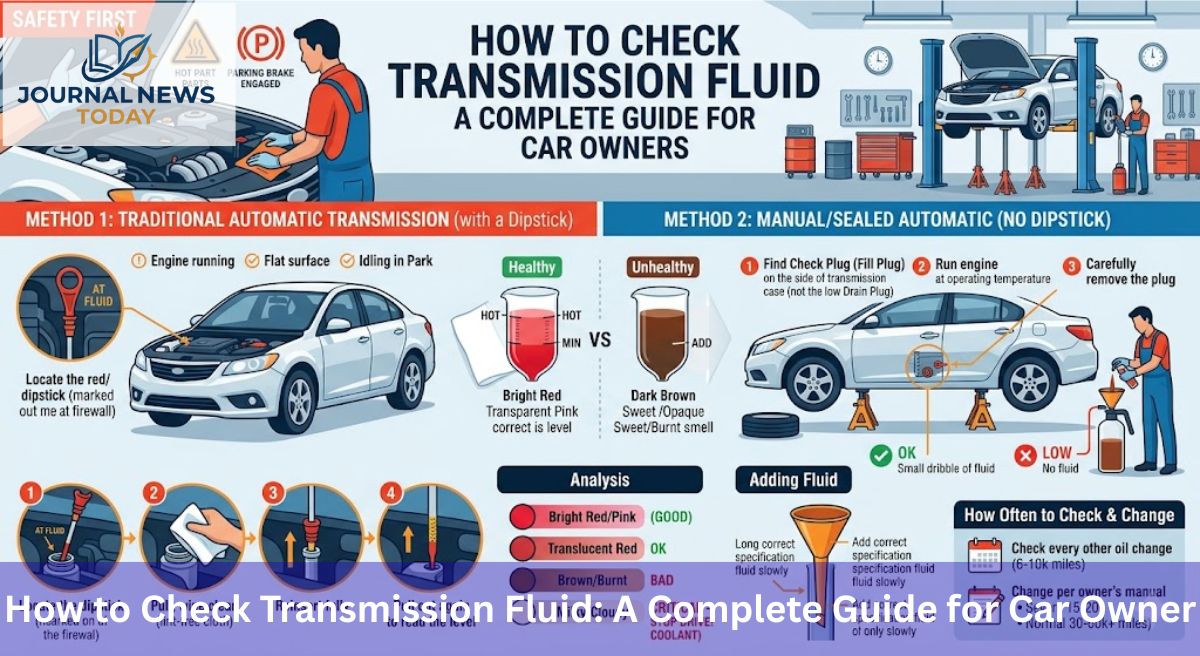
Maintaining a vehicle goes far beyond just fueling it and driving. One of the most important yet often overlooked maintenance tasks is monitoring the health of your transmission system. The transmission plays a crucial role in transferring power from the engine to the wheels, allowing your car to move smoothly at different speeds. Without proper care, transmission problems can quickly become expensive and complicated. One of the simplest ways to avoid serious issues is to regularly check transmission fluid, ensuring your vehicle stays in good working condition for years.
This guide explains everything you need to know about transmission fluid, why it matters, and how you can properly inspect it even if you have little mechanical experience.
Understanding the Role of Transmission Fluid
Transmission fluid is a specialized lubricant designed to keep the internal components of your transmission system operating smoothly. It reduces friction, prevents overheating, and helps maintain hydraulic pressure within the system. In automatic transmissions, this fluid is especially important because it enables gear shifts without manual intervention.
Over time, transmission fluid can degrade due to heat, contamination, and normal wear and tear. When this happens, the fluid loses its ability to protect and lubricate effectively. This is why routine inspection is essential. Knowing when and how to check transmission fluid can help you detect early signs of trouble before they escalate into major repairs.
Why Regular Inspection Matters
Many drivers underestimate how critical transmission maintenance is until they face costly repairs. A damaged transmission is one of the most expensive automotive issues to fix, often costing more than engine repairs in some cases. Regular inspection of transmission fluid helps you avoid such situations by identifying problems early.
When the fluid is in good condition, it appears clear and slightly reddish. However, if it becomes dark, dirty, or smells burnt, it may indicate internal wear or overheating. Low fluid levels can also cause slipping gears, delayed shifting, or unusual noises while driving.
By taking a few minutes every month or during routine oil checks, you can protect your vehicle’s long-term performance and reliability.
When You Should Check Transmission Fluid
The timing of inspections depends on your vehicle type and usage. Most manufacturers recommend checking it at least once a month or during every oil change. However, if you notice any unusual behavior such as rough shifting, hesitation, or strange noises, you should inspect it immediately.
It is also important to consider driving conditions. Vehicles used in heavy traffic, towing, or extreme weather conditions may require more frequent monitoring. In such cases, learning how to properly check transmission fluid becomes even more valuable.
Preparing Your Vehicle for Inspection
Before you begin the inspection process, it is important to prepare your vehicle correctly. Start by parking your car on a level surface to ensure an accurate reading. Uneven ground can give misleading fluid levels. Next, let the engine run until it reaches normal operating temperature, unless your vehicle manual specifies otherwise.
Keep the engine running while you inspect the fluid, as most automatic transmission systems are designed to be checked in this state. Always refer to your vehicle’s manual for specific instructions, as some modern cars may not have a traditional dipstick.
Safety is also important. Make sure the parking brake is engaged and keep your hands away from moving engine parts.
Step-by-Step Guide to Check Transmission Fluid
The process of checking transmission fluid is relatively simple if your vehicle is equipped with a dipstick. First, locate the transmission dipstick, which is usually found near the back of the engine. It is often labeled or has a colored handle for easy identification.
Carefully pull out the dipstick and wipe it clean with a lint-free cloth. This ensures that the reading you get is accurate. Then, reinsert it fully into the tube and remove it again to observe the fluid level.
The dipstick usually has markings indicating “full” and “low.” If the fluid level is below the recommended mark, it may need to be topped up. In addition to the level, pay attention to the color and smell of the fluid. Healthy transmission fluid should be clear and have a slightly sweet or neutral smell. Dark, cloudy, or burnt-smelling fluid indicates potential problems.
After inspection, carefully reinsert the dipstick and secure it properly.
What to Do If Fluid Levels Are Low
If you discover that the fluid level is low, it is important to address the issue promptly. Low transmission fluid can lead to serious mechanical damage if ignored. You should add the correct type of fluid specified in your vehicle manual.
Never overfill the transmission system, as excess fluid can also cause performance issues. Add small amounts at a time and recheck the level until it reaches the correct mark. If you find yourself frequently needing to top up fluid, it may indicate a leak that requires professional attention.
Signs of Transmission Problems You Should Not Ignore
While learning how to check transmission fluid is important, recognizing warning signs of transmission issues is equally essential. Some common symptoms include delayed gear engagement, slipping gears, unusual noises like grinding or whining, and a burning smell coming from the engine area.
Another warning sign is fluid leakage under the vehicle. Transmission fluid leaks are often red or brown in color and should never be ignored. If you notice any of these issues, it is advisable to seek professional inspection immediately.
Common Mistakes to Avoid
Many vehicle owners make mistakes when inspecting transmission fluid, which can lead to inaccurate readings or even damage. One common mistake is checking the fluid when the engine is cold, which can give incorrect results. Another is using the wrong type of transmission fluid, which can negatively affect performance.
It is also important not to confuse engine oil with transmission fluid. They serve completely different purposes and are not interchangeable. Always follow manufacturer guidelines carefully to avoid costly errors.
How Often Should Transmission Fluid Be Changed
In addition to regular inspection, transmission fluid should be replaced periodically. The exact interval depends on your vehicle model and driving conditions. Some modern vehicles can go over 100,000 kilometers before needing a change, while older models may require more frequent replacement.
Even if the fluid level appears fine, degradation over time can reduce its effectiveness. That is why routine maintenance and occasional replacement are necessary for long-term performance.
Final Thoughts on Transmission Care
Taking care of your vehicle’s transmission system is one of the most effective ways to ensure smooth and reliable driving. By learning how to properly check transmission fluid, you gain the ability to detect early warning signs and prevent expensive repairs.
A few minutes of regular inspection can make a significant difference in the lifespan of your vehicle. Whether you are an experienced driver or a beginner, understanding this simple maintenance task empowers you to take better control of your car’s health.
Consistency is key. When combined with other routine maintenance practices, checking your transmission fluid helps ensure that your vehicle continues to perform efficiently, safely, and reliably for many years.