
 Admin
Admin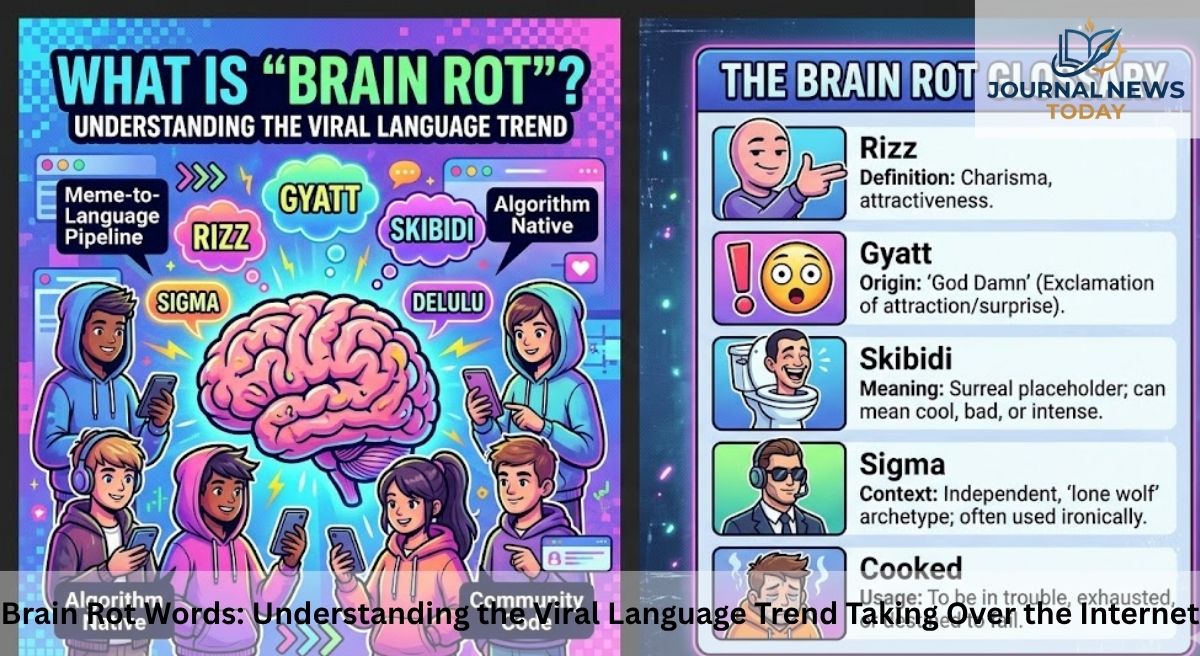
In today’s fast-paced digital world, language evolves faster than ever before. Social media platforms, memes, and online communities constantly shape how we communicate. One of the most talked-about linguistic trends recently is “brain rot words.” These are catchy, repetitive, and often nonsensical phrases or slang terms that stick in your mind long after you’ve heard them.
The term itself reflects the humorous idea that consuming too much online content—especially short-form videos—can “rot” your brain, leaving you repeating odd phrases without even realizing it. While the concept may sound negative, brain rot words are actually a fascinating example of how culture, humor, and technology intersect in modern communication.
This article explores what brain rot words are, where they come from, why they spread so quickly, and how they influence language and behavior today.
What Are Brain Rot Words?
Brain rot words are phrases, slang, or sounds that become viral due to their repetitive, catchy, or absurd nature. They often originate from memes, TikTok videos, gaming communities, or internet humor.
These words don’t always have a deep meaning. In fact, their appeal often lies in how random or exaggerated they are. Examples include:
- Repetitive catchphrases from viral videos
- Mispronounced or intentionally altered words
- Meme-based expressions that don’t translate well offline
What makes them unique is how they embed themselves in everyday conversations, even when they don’t logically fit the context.
The Origin of Brain Rot Words
The rise of brain rot words is closely tied to the explosion of short-form content platforms. Apps like TikTok, Instagram Reels, and YouTube Shorts encourage quick, engaging, and repeatable content.
Creators often use:
- Looping audio clips
- Repetitive phrases
- Exaggerated tones
These elements make content memorable and easy to replicate. When a phrase becomes widely reused, it transforms into a brain rot word.
Gaming communities and livestream platforms also contribute heavily. Streamers often repeat phrases for humor or emphasis, and their audiences adopt these expressions rapidly.
Why Brain Rot Words Spread So Quickly
The viral nature of brain rot words is not accidental. Several psychological and technological factors contribute to their rapid spread.
Repetition and Memory
Repetition plays a key role in how our brains retain information. When we hear a phrase multiple times, it becomes easier to remember and repeat.
Short Attention Spans
Modern audiences prefer quick, digestible content. Brain rot words fit perfectly into this format because they are short and instantly recognizable.
Social Validation
People often use trending words to feel connected to a group. Using brain rot words signals that you’re “in the loop” with current trends.
Algorithm Boost
Social media algorithms promote content that keeps users engaged. Catchy phrases and repeated sounds increase watch time, boosting visibility.
Examples of Popular Brain Rot Words
Brain rot words change constantly, but they usually share similar characteristics. Some examples include:
- Silly sound effects turned into speech
- Overused meme phrases
- Dramatic or exaggerated expressions
- Random combinations of words that sound funny
These words often start as jokes but quickly become part of everyday digital communication.
The Role of Memes in Brain Rot Language
Memes are the backbone of brain rot culture. They provide the context in which these words are created and shared.
A meme typically includes:
- A visual element (image or video)
- A repeated phrase or caption
- A humorous or relatable situation
When a meme goes viral, its associated words spread along with it. Over time, the original meaning may fade, leaving only the phrase itself.
Brain Rot Words and Internet Culture
Brain rot words are more than just silly phrases—they reflect broader internet culture. They highlight how humor has shifted toward absurdity and randomness.
This trend shows that:
- People enjoy low-effort, high-impact humor
- Simplicity often beats complexity in online content
- Shared jokes create a sense of community
In many ways, brain rot words act as a form of digital shorthand, allowing users to communicate emotions or ideas quickly.
Psychological Effects of Brain Rot Words
While brain rot words are mostly harmless, they do have psychological effects worth noting.
Positive Effects
- Encourage creativity and humor
- Build social connections
- Provide entertainment and stress relief
Negative Effects
- Reduce attention span
- Encourage mindless scrolling
- Replace meaningful communication with repetitive phrases
The key is balance. Enjoying these trends occasionally is fine, but overexposure can impact how we think and communicate.
Brain Rot Words in Everyday Conversations
One interesting aspect of brain rot words is how they move from online spaces into real-life conversations.
People may:
- Use meme phrases in casual speech
- Reference viral jokes in discussions
- Repeat catchy sounds without realizing it
This crossover shows how deeply digital culture influences our daily lives.
The Evolution of Language Through Brain Rot
Language has always evolved, and brain rot words are just the latest example. Similar trends have existed in the past, such as slang from movies, TV shows, or music.
What makes brain rot words different is the speed at which they spread and disappear. A phrase can go viral worldwide in days and become outdated just as quickly.
This rapid cycle reflects the dynamic nature of modern communication.
Are Brain Rot Words Harmful?
The term “brain rot” suggests something negative, but the reality is more nuanced.
Not Entirely Harmful
- They are a natural part of cultural expression
- They reflect creativity and humor
- They help people connect socially
Potential Downsides
- Overuse can make communication less meaningful
- Constant exposure may affect focus
- Some phrases may become annoying or overplayed
Ultimately, brain rot words are only harmful if they replace meaningful interaction entirely.
How to Use Brain Rot Words Wisely
If you enjoy using brain rot words, moderation is key. Here are some tips:
- Use them in casual, fun contexts
- Avoid overusing them in serious conversations
- Stay aware of your audience
- Balance them with clear communication
This approach allows you to enjoy the trend without compromising your communication skills.
The Future of Brain Rot Words
Brain rot words are unlikely to disappear anytime soon. As long as social media continues to evolve, new phrases will emerge.
Future trends may include:
- Even shorter and more abstract phrases
- AI-generated meme language
- Cross-cultural slang blending
The cycle of creation, viral spread, and replacement will continue, shaping how we communicate in the digital age.
Conclusion
Brain rot words are a unique and entertaining aspect of modern internet culture. While they may seem meaningless at first glance, they reveal a lot about how people connect, communicate, and find humor online.
From their origins in memes and short-form videos to their influence on everyday speech, these words highlight the power of repetition and shared experiences. Like any trend, they come with both benefits and drawbacks, but when used in moderation, they add a playful element to communication.
Understanding brain rot words isn’t just about keeping up with trends—it’s about recognizing how language evolves in a rapidly changing digital world.
FAQs About Brain Rot Words
1. What does “brain rot words” mean?
Brain rot words refer to viral phrases or slang that are repetitive, catchy, and often nonsensical, commonly spread through internet culture and social media.
2. Where do brain rot words come from?
They usually originate from memes, TikTok videos, gaming communities, and online trends where repetition and humor play a key role.
3. Are brain rot words harmful?
Not necessarily. They are mostly harmless and entertaining, but excessive use can affect attention span and meaningful communication.
4. Why do people use brain rot words?
People use them to fit in with trends, express humor, and connect with others in online communities.
5. Can brain rot words affect language?
Yes, they contribute to the evolution of language by introducing new slang and communication styles, especially among younger generations.
6. How long do brain rot words last?
Most brain rot words have a short lifespan. They can go viral quickly but are often replaced by new trends just as fast.


